 admin
admin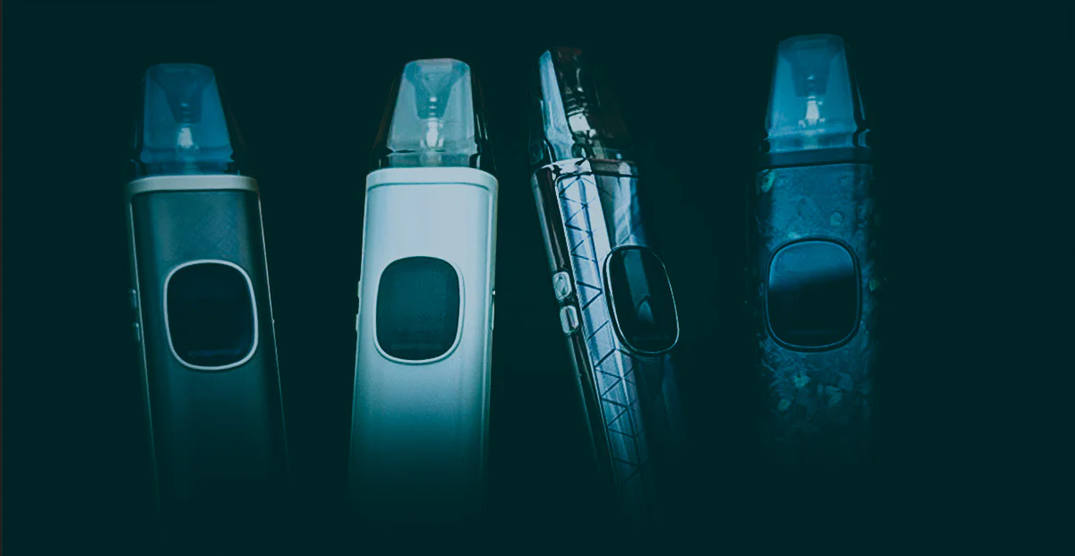
Pick up a disposable vape and there is very little on the outside to explain what is happening inside. There may be no buttons, no visible tank and, on some designs, barely more than an airflow opening and a mouthpiece. Yet underneath that simple shell is a compact electronic system containing a battery, heating element, liquid reservoir, wick, sensors and circuitry.
That all-in-one construction is what separates disposable vapes from many modular devices. Instead of replacing a tank, coil or pod individually, most of the working parts are assembled together at the factory and remain inside the same body throughout the usable life of the device.
Understanding that design helps explain not only how these devices operate, but also why battery condition, liquid supply and electronics can all affect what happens as a device reaches the end of its life.
What Is a Disposable Vape?
A disposable vape is a compact electronic vaping device designed around an integrated set of components. The battery, liquid storage system and heating assembly are generally contained within one housing rather than being built as separate user-replaceable modules.
The word “disposable” can sometimes be confusing. It does not necessarily mean that every device is used for only a few minutes or that every design has a non-rechargeable battery. Some newer integrated devices have charging ports because their internal liquid supply can last longer than a single battery charge.
What makes them disposable in the usual sense is that the complete device is ultimately replaced rather than routinely maintained with a new coil, tank or pod.
What Is Inside a Disposable Vape?
Designs differ, but most devices rely on a surprisingly similar group of components.
|
Part |
What It Does |
|
Battery |
Supplies electrical energy |
|
Coil |
Turns electrical energy into heat |
|
Wick |
Moves liquid toward the coil |
|
Liquid reservoir |
Stores the liquid used by the device |
|
Airflow sensor |
Detects airflow on draw-activated designs |
|
Control circuit |
Manages activation and power delivery |
|
Air channel |
Creates a path through the device |
|
Mouthpiece |
Forms the outlet at the top |
The impressive part is not any single component. It is how manufacturers fit all of them into such a small enclosure while keeping separate pathways for electricity, liquid and airflow.
How Does a Disposable Vape Work?
The operating process happens in a fraction of a second.
On a typical draw-activated design, air entering the device is detected by a small sensor. The electronic circuit then allows power from the battery to reach the heating element. At the same time, the wick has already carried liquid from the reservoir to the area surrounding the coil.
As the coil heats, an aerosol is produced. Incoming air passes through or around the heating assembly, carrying that aerosol along an internal channel and toward the mouthpiece.
In simplified form, there are three systems operating together:
Electrical path:
Battery → control circuit → coil
Liquid path:
Reservoir → wick → heating area
Air path:
Air inlet → coil area → internal airway → mouthpiece
If one of those systems stops working correctly, the behaviour of the whole device changes.
The Battery Is Smaller Than Many People Expect
A substantial portion of the internal space is often devoted to the battery. Compact lithium-based cells are commonly used because they can hold useful amounts of electrical energy without requiring a particularly large enclosure.
The battery does not create aerosol by itself. Its job is simply to supply the energy required by the electronics and heating element.
This distinction matters because battery condition and liquid level are separate issues. A device can theoretically have electrical charge remaining while its usable liquid supply is nearly exhausted. Conversely, an integrated rechargeable design may still contain liquid when its battery temporarily needs charging.
Batteries also explain why these devices should not be treated like ordinary plastic rubbish or casually opened once they stop functioning.
What Does the Coil Actually Do?
The coil is the heating element at the centre of the process.
Electric current passing through resistive material creates heat. The liquid held by the wick is positioned close to that heated surface, allowing the device to produce aerosol when activated.
Older descriptions of vaping hardware often picture a tiny spiral of wire when discussing a coil. That is still useful for understanding the principle, but modern heating elements can take different forms. Mesh-style designs, for example, use a broader conductive surface rather than relying only on a traditional wire shape.
Whatever its shape, the basic job remains the same: turn electrical energy into controlled heat.
The Wick Connects the Liquid and Heating Systems
The wick has a quiet job, but it is crucial.
It sits between the stored liquid and the heating element, drawing fluid toward the coil through capillary action. Cotton and other absorbent materials may be used depending on the construction of the device.
This means liquid is not simply poured directly onto an exposed heater every time the device activates. Instead, the wick continuously holds a small amount close to the heating surface.
Looking at the system this way also explains why the coil and wick should not be treated as interchangeable terms. One transports liquid; the other generates heat.
Where Is the Liquid Stored?
A disposable device normally contains an internal reservoir filled during manufacturing. This may use absorbent material, a chamber or another integrated storage arrangement depending on the design.
Unlike a refillable tank, that reservoir is generally not intended to be routinely opened and refilled by the user.
The liquid itself may contain several ingredients. Terms such as propylene glycol (PG) and vegetable glycerine (VG) commonly appear when vaping liquids are discussed. Exact formulations can vary between products and jurisdictions.
It is useful to separate the terminology here: the device is the hardware, while e-liquid refers to the material contained within it.
Why Don’t Many Disposable Devices Have a Button?
One reason disposable designs can look unusually simple is the widespread use of automatic activation.
Rather than pressing a physical button, airflow through the device can trigger a small sensor. Once the electronics detect the change, power is sent to the heating element.
That sensor is connected to a control circuit that sits between the battery and coil. The electronics can also perform other basic functions, depending on the design, such as managing charging or limiting how power is delivered.
So even though the outer shell might show almost no controls, there is still electronic decision-making happening inside.
Why Do Some Disposable Vapes Have Charging Ports?
This is one of the places where modern terminology becomes slightly awkward.
At one time, a “disposable” device was commonly associated with a battery that was never recharged. Larger integrated designs changed that assumption.
If the device contains more liquid than one initial battery charge can support, a charging port may be included so the internal battery can be recharged during the device’s usable life.
The device may still be considered disposable because the coil, reservoir and battery assembly are ultimately discarded together rather than maintained as individually replaceable components.
Disposable vs Refillable Designs: The Structural Difference
The biggest difference is integration.
A refillable or modular device may allow individual parts to be separated. A user might encounter a removable tank, replaceable pod, separate coil or removable battery.
An integrated disposable design packages far more of those components into one enclosure.
Neither explanation requires looking at brands or model names. Structurally, the difference is simply whether major components are intended to remain together throughout the usable life of the device or be replaced separately.
What Does “Puff Count” Really Mean?
Numbers associated with estimated puff counts are easy to misunderstand because an inhalation is not a perfectly standard unit of measurement.
People do not all inhale for exactly the same amount of time, and devices do not necessarily operate at identical power levels. Airflow, battery management, liquid capacity and the duration of individual draws can all affect actual use.
For that reason, a puff-count figure is better understood as a manufacturer estimate than a guarantee that every device will provide precisely the stated number of activations.
What Happens When a Disposable Device Reaches the End of Its Life?
There is not always one universal end-of-life behaviour.
The liquid supply may become depleted. The battery may stop supplying sufficient energy. Electronics may prevent further activation, or another internal component may reach the end of its intended operating life.
What should not happen is treating a sealed electronic device as something that needs to be cut open or dismantled in order to squeeze out additional use.
Inside the housing are electrical components and a battery, and those parts deserve the same caution applied to other small lithium-powered electronics.
Why Disposal Matters
Calling these products “disposable” does not mean they belong in ordinary household waste.
A used device can contain a battery, circuit board, metals, plastics and traces of liquid. Lithium batteries in particular can create problems when damaged or crushed during waste processing.
Local disposal requirements differ, so people should check the guidance provided by their council, waste authority or an appropriate battery/e-waste collection service.
A device that is damaged, swollen, leaking or unusually hot should be handled cautiously rather than opened or modified.
Disposable Vapes and Australian Rules
Australia has substantially changed the way vaping products are regulated. Current Therapeutic Goods Administration guidance states that the importation, domestic manufacture, supply, commercial possession and advertising of disposable single-use and non-therapeutic vapes are prohibited except where an applicable legal pathway or exemption exists.
The TGA also states that therapeutic vaping products are supplied through participating pharmacies under Australia’s current framework. People looking for current information about disposable vapes and other vaping products in Australia should therefore rely on current government guidance rather than older articles written before the reforms.
The legal framework can change, and state or territory requirements may also matter. This article is intended as a technical explanation of device construction rather than advice about obtaining vaping products.
Frequently Asked Questions
What is inside a disposable vape?
Typical components include a battery, heating coil, wick, liquid reservoir, airflow sensor, electronic control circuit, internal airway and mouthpiece. The exact arrangement varies between designs.
How does a disposable vape activate without a button?
Many designs contain an airflow or pressure sensor. When air moves through the device, the sensor signals the control circuit, which supplies power to the heating element.
Do disposable vapes contain batteries?
Yes. They require an electrical power source to heat the coil, and compact lithium-based batteries are commonly used.
Why are some disposable devices rechargeable?
Some integrated devices contain enough liquid to outlast the battery’s initial charge. A charging port allows the internal battery to receive additional charge while the rest of the device remains sealed.
Are the coil and wick the same thing?
No. The coil is the heating component, while the wick moves liquid from the reservoir toward the heated area.
Does the advertised puff count always match actual use?
Not necessarily. Puff count is an estimate because draw length, device operation and other conditions vary. Two users can therefore obtain different results from otherwise identical devices.
Can a disposable vape be opened when it stops working?
Sealed electronic devices are generally not intended to be dismantled. Opening one can expose the battery, wiring and remaining liquid, and damaged lithium batteries can present additional risks.
Can disposable vapes go in normal rubbish?
Because they contain batteries and electronic components, they should not automatically be treated as ordinary household waste. Local battery or e-waste disposal guidance should be checked instead.
Final Thoughts
The simple exterior of a disposable vape hides a fairly compact engineering system. A battery supplies power, electronics control activation, a coil creates heat, a wick transports liquid and an internal airflow path connects the heating area to the mouthpiece.
What makes the disposable format different is not an entirely different operating principle. It is the way those components are integrated. Instead of routinely replacing individual hardware parts, most of the system remains together for the usable life of the device.
Understanding those internal roles makes terms such as coil, wick, airflow sensor, reservoir and rechargeable disposable much less confusing. It also highlights something that the word “disposable” can easily hide: these are still battery-powered electronic devices, and their end-of-life handling deserves more care than simply throwing them away.