 admin
admin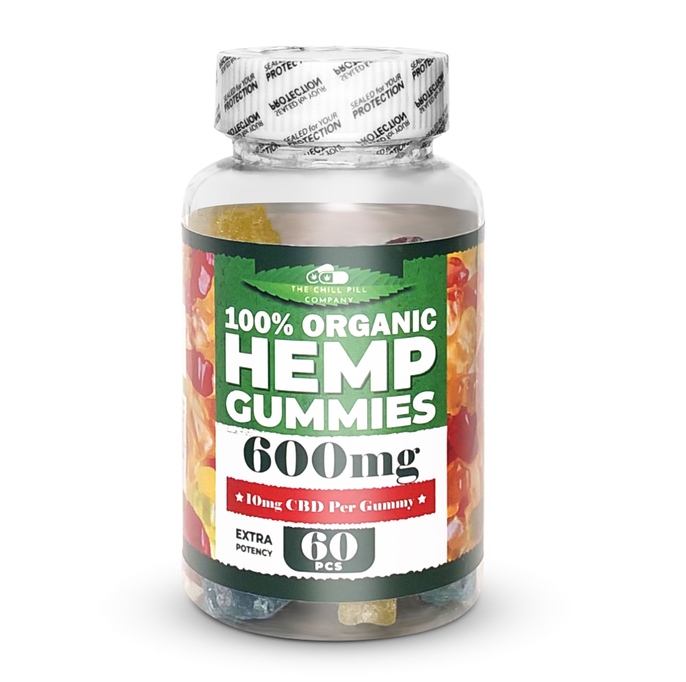
Full spectrum, broad spectrum and CBD isolate are three terms frequently used to describe cannabidiol formulations. Although they all involve CBD, their chemical composition can differ significantly.
The main distinction is the presence or absence of other cannabis compounds, including tetrahydrocannabinol (THC), minor cannabinoids and terpenes.
Consumers researching CBD Oil Australia often encounter these descriptions alongside CBD concentrations, purity percentages and THC-free claims.
However, a formulation name alone does not tell the complete story. Two products described as full spectrum may contain different quantities of CBD and THC, while two isolate formulations may use different carrier oils.
Australian regulations add another important consideration. The legal classification of medicinal cannabis depends on its cannabinoid composition, scheduling and applicable therapeutic goods requirements.
This guide compares the three main CBD formulations, explains how to interpret their labels and laboratory results, and clarifies important Australian regulatory rules in 2026.
Quick answer: Full-spectrum CBD generally retains multiple cannabis compounds, potentially including THC. Broad-spectrum CBD generally retains selected compounds while THC is reduced or removed. CBD isolate is purified cannabidiol intended to contain no other cannabinoids.
In this guide
- Three-way CBD comparison
- Full-spectrum CBD explained
- Broad-spectrum CBD explained
- CBD isolate explained
- How cannabinoid profiles differ
- Understanding the entourage effect
- THC content and laboratory testing
- CBD strength and concentration
- CBD oils, gummies and other formats
- Australian CBD regulations
- Frequently asked questions
- Full Spectrum vs Broad Spectrum vs CBD Isolate: Key Differences
The terms full spectrum, broad spectrum and isolate describe how cannabinoids and other plant constituents are represented in an extract or finished formulation.
They do not directly indicate how much CBD is present in an individual serving or container.
A full-spectrum preparation and a CBD isolate preparation can have the same CBD concentration but differ in their remaining ingredients.
CBD Formulation Comparison Table
| Feature | Full Spectrum | Broad Spectrum | CBD Isolate |
| CBD | Present | Present | Present |
| Other cannabinoids | Generally present | May be present | Not intended to be present |
| THC | May be present | Usually reduced or removed | Not intended to be present |
| Terpenes | May be retained | May be retained | Normally absent |
| Processing | Extract with multiple constituents | Extract with selected constituents removed | Highly purified CBD |
| Typical oil ingredients | Cannabis extract and carrier oil | Broad-spectrum extract and carrier oil | CBD isolate and carrier oil |
| Laboratory testing | Required for reliable composition claims | Required for reliable composition claims | Required for reliable purity claims |
| Australian legal status | Depends on actual composition and regulation | Depends on actual composition and regulation | Depends on actual composition and regulation |
These are general formulation characteristics. Manufacturers may use the terminology differently, so the actual laboratory results remain important.
- What Is Full-Spectrum CBD Oil?
full spectrum CBD oil generally contains cannabidiol alongside other naturally occurring compounds from the cannabis plant.
Depending on the extract and manufacturing process, these may include:
- Cannabidiol (CBD).
- Tetrahydrocannabinol (THC).
- Cannabigerol (CBG).
- Cannabichromene (CBC).
- Cannabinol (CBN).
- Selected terpenes and other plant constituents.
The exact quantities vary between individual products and batches.
Some full-spectrum formulations may contain only small quantities of THC, but the presence of THC must not be assumed to be legally insignificant.
How Is Full-Spectrum CBD Produced?
Manufacturers obtain a cannabinoid-rich extract from cannabis plant material using an appropriate extraction and refinement process.
Unlike a purified CBD isolate, a full-spectrum extract is intended to retain a broader range of the plant’s naturally occurring chemical constituents.
The final extract may then be incorporated into a carrier oil or another suitable formulation.
Common carrier oils include medium-chain triglyceride (MCT) oil and hemp seed oil.
Does Full Spectrum Always Contain THC?
Full-spectrum CBD extracts may contain THC, but the amount depends on the source material and manufacturing process.
A full-spectrum product should not be assumed to contain a particular THC concentration without analytical evidence.
Similarly, descriptions such as “hemp-derived” or “less than 0.3% THC” do not independently demonstrate compliance with Australian medicinal cannabis laws.
Is Full-Spectrum CBD Better?
There is no reliable basis for claiming that every full-spectrum formulation is clinically better than broad-spectrum CBD or isolate.
Different extracts contain different compounds, and clinical effects cannot be predicted from a spectrum label alone.
Therapeutic outcomes also depend on the formulation, medical condition, available clinical evidence and individual patient circumstances.
- What Is Broad-Spectrum CBD Oil?
Broad-spectrum CBD generally contains cannabidiol alongside selected additional plant compounds, with THC intentionally removed or reduced during processing.
The resulting formulation may retain some cannabinoids and terpenes without having the same composition as the original plant extract.
How Does Broad Spectrum Differ From Full Spectrum?
The principal intended difference is the treatment of THC during the manufacturing process.
Full-spectrum preparations may retain THC alongside CBD. Broad-spectrum preparations are generally processed to reduce or remove THC.
However, neither description guarantees a uniform cannabinoid profile across all manufacturers.
Does Broad Spectrum Mean Zero THC?
Not automatically.
A manufacturer may advertise a broad-spectrum formulation as THC-free, but this requires appropriate analytical support.
Laboratory testing may report THC as not detected, below a specified quantification limit or present at a measurable concentration.
These are different analytical findings.
A claim that THC is not detected should be interpreted using the laboratory’s specific detection limits.
Can Broad Spectrum Contain Other Cannabinoids?
Yes. Depending on how the extract is processed, it may contain cannabinoids such as CBG or CBC.
However, their presence should be verified through appropriate laboratory results.
A broad-spectrum label does not guarantee that any particular minor cannabinoid is present.
- What Is CBD Isolate?
CBD isolate is purified cannabidiol intended to contain CBD without the additional cannabinoids normally associated with full-spectrum extracts.
Consumers researching CBD Isolate Australia often want to understand the difference between purified CBD, broad-spectrum products and formulations containing THC.
How Is CBD Isolate Manufactured?
CBD isolate is produced through extraction and purification processes designed to separate cannabidiol from other plant constituents.
The resulting ingredient may appear as a crystalline or powdered material before being incorporated into a finished formulation.
Manufacturers can dissolve or disperse it in a suitable carrier oil to create a liquid preparation.
Does CBD Isolate Contain THC?
CBD isolate is intended to contain cannabidiol without other cannabinoids, including THC.
However, the actual purity depends on manufacturing quality and laboratory measurement.
A label describing a product as pure CBD does not automatically establish absolute chemical purity.
Trace impurities may remain below the limits of the testing method.
CBD Isolate vs Hemp Seed Oil
Another common source of confusion is the relationship between CBD isolate and hemp seed oil.
Hemp seed oil is a fatty oil obtained from hemp seeds. It ordinarily contains no meaningful concentration of CBD.
CBD isolate can be mixed with hemp seed oil to create a CBD-containing liquid formulation.
In that case, the hemp seed oil acts as a carrier while the purified CBD provides the cannabinoid ingredient.
Is CBD Isolate Always 100% Pure?
No purity claim should be accepted without suitable laboratory evidence.
Even highly purified cannabidiol can contain trace impurities or residual processing substances.
The actual purity should be established by validated testing and an appropriately interpreted certificate of analysis.
- Comparing Cannabinoid Profiles: An Original Example
One useful way to understand CBD formulations is to compare the individual cannabinoid measurements.
The following three profiles are entirely hypothetical. They are designed to explain the differences between formulations and do not represent laboratory testing of any retailer’s products.
Example A: Multi-Cannabinoid Extract
Hypothetical cannabinoid profile:
- CBD: 90mg
- THC: 4mg
- CBG: 4mg
- CBC: 2mg
Total measured cannabinoids: 100mg
CBD proportion: 90%
This example contains multiple cannabinoids, including THC. It illustrates a cannabinoid-rich formulation rather than purified CBD isolate.
Example B: Broad-Spectrum-Type Profile
Hypothetical cannabinoid profile:
- CBD: 95mg
- CBG: 3mg
- CBC: 2mg
- THC: Not detected under the stated method
The measurable cannabinoids include CBD and selected minor cannabinoids.
The THC result would require the laboratory’s detection limit for correct interpretation.
Example C: CBD Isolate-Type Profile
Hypothetical cannabinoid profile:
- CBD: 99.5mg
- Other measured cannabinoids: 0.5mg
Total cannabinoids: 100mg
CBD proportion: 99.5%
This example illustrates a highly CBD-dominant cannabinoid profile. It does not prove that a finished product qualifies as pure isolate.
Why These Numbers Matter in Australia
The Australian Therapeutic Goods Administration categorises medicinal cannabis products according to CBD as a proportion of total cannabinoid content.
For example, Category 1 requires CBD to make up at least 98% of total cannabinoid content, with additional conditions.
That percentage does not mean the entire bottle must be 98% CBD by weight.
An oral liquid could contain carrier oil and still meet the cannabinoid-ratio requirement, provided the full regulatory conditions are satisfied.
Important: These numerical examples are educational only. Actual Australian product classification also depends on the complete formulation, scheduling and other applicable requirements.
- What Is the CBD Entourage Effect?
The entourage effect is a proposed interaction between cannabinoids and other compounds occurring in the cannabis plant.
The theory suggests that certain combinations of cannabis constituents may act differently from isolated cannabinoids.
It is frequently discussed when comparing full-spectrum CBD with purified CBD.
What Does the Research Actually Show?
Laboratory and preclinical studies have investigated possible interactions between different cannabis compounds.
However, evidence of a potential interaction does not automatically establish a clinically meaningful benefit in humans.
The available research does not justify a general claim that full-spectrum CBD is always more effective than CBD isolate.
Differences in cannabinoid concentrations, formulation, medical conditions and study design make broad conclusions difficult.
Does Broad-Spectrum CBD Have an Entourage Effect?
Broad-spectrum preparations may contain more than one cannabinoid.
This creates the possibility of interactions between constituents, but the specific clinical significance must be established through appropriate evidence.
It should not be assumed that every broad-spectrum product provides a particular therapeutic effect.
What About CBD Isolate?
CBD isolate is intended to contain purified CBD without the additional plant constituents.
That does not mean isolate is inherently ineffective or inferior.
In fact, the registered medicine Epidyolex contains cannabidiol and has specific approved therapeutic indications.
Those approvals cannot be generalised to unrelated retail CBD products or formulations.
- THC Content, THC-Free Claims and Laboratory Testing
THC content is one of the most important differences to consider when interpreting CBD product descriptions.
The phrase THC Free CBD Oil may appear on products made from purified CBD isolate or THC-reduced extracts.
However, the claim requires supporting analytical evidence.
Why THC-Free Does Not Always Mean Absolute Zero
Laboratory methods have limits to the concentrations they can detect and quantify.
For example, a certificate of analysis may report:
- THC not detected.
- THC below the limit of detection.
- THC below the limit of quantification.
- THC present at a measured concentration.
These results are not interchangeable.
Not detected means the testing method did not identify THC above its specified detection threshold.
It does not prove the absolute absence of every THC molecule.
What Should a CBD Certificate of Analysis Include?
A certificate of analysis, or COA, should identify the sample tested and the methods used.
Relevant information may include:
- The manufacturer’s product identifier.
- Batch or lot number.
- Laboratory identification.
- Testing date.
- Measured CBD concentration.
- Measured THC concentration.
- Other relevant cannabinoids.
- Applicable detection and quantification limits.
- Relevant contaminant testing.
A COA helps interpret the tested sample. It does not automatically establish product approval, clinical effectiveness or compliance with every Australian legal requirement.
Can THC-Free CBD Guarantee a Negative Drug Test?
No.
A marketing label cannot guarantee a negative workplace or roadside drug test.
Undeclared THC, manufacturing variation, analytical limitations and other factors can create uncertainty.
Australian road safety and drug-driving requirements also differ between jurisdictions.
Anyone with questions about THC exposure and driving should seek appropriately qualified advice.
- CBD Strength vs CBD Spectrum: Two Different Measurements
CBD strength and CBD spectrum describe separate characteristics.
Strength describes the amount or concentration of cannabidiol.
Spectrum describes the wider cannabinoid and plant-compound composition of a formulation.
For example, a 1500mg isolate formulation and a 1500mg full-spectrum formulation may contain the same total CBD.
However, their other cannabinoid ingredients may be different.
How to Calculate CBD Oil Concentration
The concentration of CBD oil is commonly expressed in milligrams per millilitre.
Formula:
CBD concentration (mg/mL) = Total CBD (mg) ÷ Bottle volume (mL)
Example:
1500mg CBD ÷ 30mL = 50mg/mL
The nominal concentration is 50mg of CBD per millilitre.
This calculation does not indicate a recommended amount to consume.
Why Higher Concentration Does Not Mean Better Quality
A stronger formulation contains more CBD per unit of volume.
It does not automatically offer better manufacturing quality, greater safety or superior clinical effectiveness.
Quality depends on additional factors such as ingredient accuracy, manufacturing controls, stability and appropriate testing.
- Do CBD Oils, Gummies and Other Formats Use Different Extracts?
CBD extract type is not limited to bottled oils.
Different cannabinoid ingredients may be incorporated into edible products, capsules, topical formulations and other preparations.
However, the legal classification of a finished product depends on its ingredients, intended use and applicable Australian requirements.
CBD Oil Formulations
CBD oils may be prepared using isolate, broad-spectrum extract or full-spectrum extract.
These ingredients are generally combined with a carrier oil.
The final label should identify the relevant active ingredients and their concentrations.
CBD Gummies
Consumers researching CBD Gummies Australia may encounter international products described as isolate-based, broad-spectrum or full-spectrum gummies.
These products contain CBD in an edible format, often alongside sweeteners, flavourings and gelling ingredients.
For example, a hypothetical container containing 600mg CBD across 60 gummies would have a nominal 10mg CBD per gummy.
Illustrative calculation:
600mg ÷ 60 gummies = 10mg CBD per gummy
This is an arithmetic example, not a recommended dose or confirmation of lawful retail availability in Australia.
CBD Capsules and Topical Formulations
CBD capsules may contain purified cannabidiol or cannabinoid-rich extracts incorporated into a suitable dosage form.
Topical formulations may contain CBD alongside oils, waxes and other ingredients.
The name of the extract does not replace a complete evaluation of the finished product.
- How to Compare CBD Formulations More Accurately
When examining CBD Products, it is useful to separate the manufacturer’s claims from the information that can be independently verified.
Check the Cannabinoid Profile
A full-spectrum label should be assessed against the actual measured cannabinoids and other claimed plant constituents.
For isolate products, look for appropriate purity documentation.
Verify CBD Strength
Check total CBD content and concentration per millilitre or per dosage unit.
A large milligram number without bottle volume provides incomplete concentration information.
Review THC Information
Avoid assuming that THC-free claims prove absolute absence or remove all drug-testing concerns.
Laboratory detection limits and results must be understood.
Check Product Quality Documentation
Reliable supporting documents should identify the laboratory, product and batch being tested.
Relevant screening may also include pesticides, heavy metals, residual solvents and microbial contaminants.
Confirm Regulatory Status
A product’s composition does not independently establish whether it may be lawfully supplied or advertised in Australia.
Regulatory status must be examined separately from the formulation name.
- Full Spectrum, Broad Spectrum and CBD Isolate: Australian Legal Rules in 2026
Australian medicinal cannabis laws distinguish between products according to their cannabinoid composition and applicable scheduling requirements.
Searches related to CBD Australia frequently involve questions about prescriptions, THC limits, pharmacists and online supply.
The Therapeutic Goods Administration regulates medicinal cannabis products under Australia’s therapeutic goods framework.
Understanding the 98% CBD Rule
Under the applicable Australian framework, Category 1 medicinal cannabis products contain CBD comprising at least 98% of total cannabinoid content.
Other naturally occurring cannabinoids may comprise no more than 2% of total cannabinoid content, and further requirements must also be satisfied.
These products fall within Schedule 4 prescription-only medicine requirements.
The 98% figure refers to the proportion of cannabinoids, not the percentage of CBD in the entire liquid or finished product.
What About Other Medicinal Cannabis Categories?
The TGA also recognises additional medicinal cannabis categories.
For example, Category 2 CBD-dominant products contain at least 60% but less than 98% CBD relative to their total cannabinoid content.
Category 2 products are classified as Schedule 8 controlled medicines.
Other categories cover different proportions of CBD and other cannabinoids.
These legal categories should not be confused with marketing descriptions such as full spectrum, broad spectrum or isolate.
Is CBD Available Without a Prescription in Australia?
Australia introduced a Schedule 3 pharmacist-only framework for certain approved low-dose CBD medicines in February 2021.
However, the framework only permits eligible CBD products that meet specific requirements and are approved by the TGA.
According to current TGA guidance, no products on the Australian Register of Therapeutic Goods meet the Schedule 3 criteria.
The framework therefore does not create unrestricted over-the-counter CBD retail availability.
How Can Patients Lawfully Access Medicinal CBD?
Depending on the product and patient circumstances, lawful access may involve:
- Registered prescription medicines.
- An appropriately qualified prescriber.
- The Special Access Scheme.
- The Authorised Prescriber pathway.
- Supply through an authorised pharmacy.
The TGA explains that many medicinal cannabis products accessed through special pathways are unapproved therapeutic goods.
They have not undergone the same pre-market evaluation as registered medicines.
Can Australians Order CBD from Any Online Website?
No.
A website advertising CBD products to Australian consumers does not automatically establish that those products can lawfully be supplied.
For example, searches for Buy CBD Oil may return online retailers operating under different national laws.
However, overseas retail availability does not override Australian therapeutic goods, import or scheduling requirements.
Consumers should consult a qualified Australian healthcare professional and verify the relevant legal access pathway.
For authoritative guidance, see the TGA medicinal cannabis information for patients.
- Common Misconceptions About CBD Formulations
Misconception 1: Full Spectrum Is Always Stronger
Full spectrum describes the presence of multiple plant constituents, not the total CBD concentration.
An isolate formulation can contain more CBD per millilitre than a full-spectrum formulation.
Misconception 2: Broad Spectrum Always Contains Zero THC
Broad-spectrum manufacturing often aims to reduce or remove THC.
The finished product must still be evaluated using appropriate laboratory evidence.
Misconception 3: CBD Isolate Is Automatically 100% Pure
Purified CBD can contain trace impurities.
Purity is a measured quality characteristic, not something guaranteed by the name alone.
Misconception 4: All Full-Spectrum Products Have the Same Ingredients
Actual cannabinoid and terpene compositions can vary between formulations and batches.
A general extract category does not establish exact chemical composition.
Misconception 5: A COA Proves Australian Legal Approval
A laboratory report describes measured properties of a submitted sample.
It does not substitute for TGA approval, appropriate prescribing or other lawful supply requirements.
- Frequently Asked Questions
What Is the Main Difference Between Full Spectrum, Broad Spectrum and CBD Isolate?
Full-spectrum formulations generally contain multiple cannabis compounds, potentially including THC. Broad-spectrum formulations generally retain selected compounds while THC is reduced or removed. CBD isolate is intended to contain purified CBD.
Does Full-Spectrum CBD Contain THC?
It may. The actual THC amount depends on the extract and manufacturing process. Laboratory testing is needed to verify the concentration.
Is Broad-Spectrum CBD the Same as THC-Free CBD?
Not necessarily. Broad-spectrum is a formulation description. THC-free is a separate claim that requires appropriate analytical support.
Is CBD Isolate More Concentrated Than Full Spectrum?
Not automatically. Isolate describes a purified CBD ingredient, while finished-product concentration depends on the actual formulation.
What Does 99% CBD Isolate Mean?
It generally describes a purity claim for the isolate ingredient. The measurement method, units and laboratory evidence determine how that percentage should be interpreted.
Is Full-Spectrum CBD Better Than Isolate?
There is insufficient evidence to conclude that every full-spectrum product is clinically superior to CBD isolate. Medical suitability depends on the individual and the relevant evidence.
Can CBD Isolate Contain THC?
CBD isolate is intended to contain cannabidiol without other cannabinoids. However, manufacturing quality and analytical detection limits can affect the composition of a particular sample.
Does the Entourage Effect Have Clinical Evidence?
Interactions between cannabis compounds are an area of research. However, clinical evidence does not support claiming that all multi-cannabinoid formulations are better than isolated CBD.
Are All CBD Formulations Legal in Australia?
No. Lawful access depends on the actual cannabinoid composition, product classification, scheduling and relevant regulatory requirements.
Can CBD Be Purchased Without a Prescription in Australia?
A framework exists for certain TGA-approved pharmacist-only CBD medicines, but current TGA guidance indicates that no products meet the applicable Schedule 3 criteria.
Final Thoughts
Understanding the difference between full-spectrum, broad-spectrum and CBD isolate formulations starts with their chemical composition.
Full-spectrum extracts generally retain multiple cannabis constituents, potentially including THC.
Broad-spectrum extracts are generally processed to reduce or remove THC while retaining selected other compounds.
CBD isolate is purified cannabidiol intended to contain no additional cannabinoids.
However, formulation names do not independently establish product quality, medical suitability, therapeutic effectiveness or legal status.
Accurate cannabinoid measurements, transparent ingredient information, relevant laboratory testing and Australian regulatory requirements are all important considerations.
Consumers should use authoritative guidance and appropriate medical advice when evaluating information about medicinal CBD.
References and Further Reading
- Therapeutic Goods Administration: Medicinal Cannabis Product Categories
- Therapeutic Goods Administration: Medicinal Cannabis Product List
- Therapeutic Goods Administration: Quality Requirements for Medicinal Cannabis
- Therapeutic Goods Administration: Medicinal Cannabis Access Pathways
- Therapeutic Goods Administration: Medicinal Cannabis Information for Patients
- Therapeutic Goods Administration: What to Know if You’ve Been Prescribed Medicinal Cannabis