
 admin
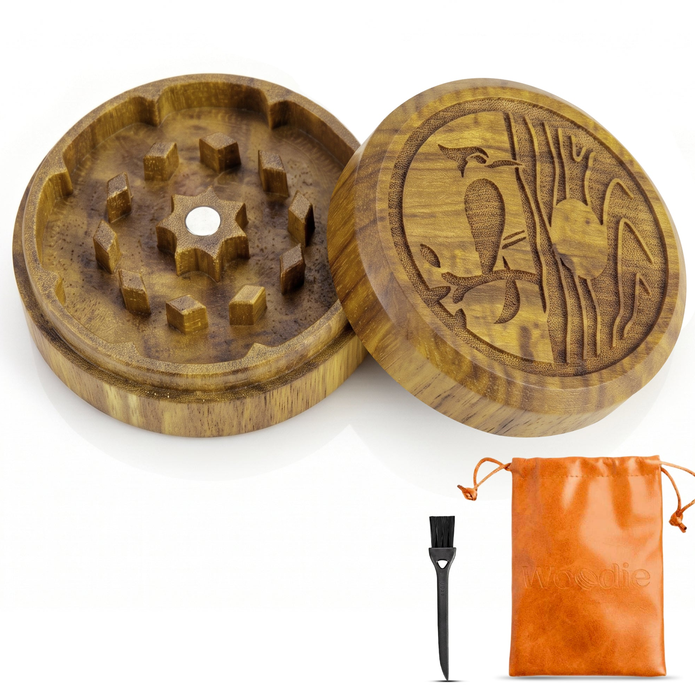
The best wooden herb grinders combine thoughtful design, durable materials, precision-made grinding teeth and comfortable everyday handling. Unlike conventional aluminum grinders, wooden models offer natural grain patterns, warm textures and a distinctive appearance that makes every piece feel different.
However, not all wooden grinders are built the same way. Some use inexpensive wooden shells with metal grinding pins. Others are crafted from solid hardwood with carefully machined wooden teeth and magnetic closures.
Understanding these differences is important before choosing a wooden herb grinder. Material quality, tooth geometry, chamber design and maintenance requirements can influence both performance and long-term ownership.
Exotic hardwood options such as Canary wood, Wenge and Bloodwood also offer different appearances. Their natural colors and grain patterns can make a wooden grinder appealing to buyers who appreciate craftsmanship as much as functionality.
This 2026 buying guide explains what to look for, how different hardwoods compare and which product features are worth considering before buying.
Quick answer: A high-quality wooden herb grinder should have properly aligned teeth, solid construction, a secure closure, a comfortable grip and clear maintenance instructions. Exotic hardwood offers aesthetic appeal, but the best choice depends on the grinder’s actual design and the buyer’s priorities.
In This Guide
- What makes a quality wooden grinder?
- Best woods for herb grinders
- Solid-wood teeth vs metal pins
- Three exotic hardwood grinder models
- Woodie product comparison
- Two-piece design and magnetic closures
- Price and long-term value
- Cleaning and maintenance
- Wooden grinder buying checklist
- Frequently asked questions
- What Makes a High-Quality Wooden Herb Grinder?
Wooden grinders differ in construction, materials and grinding mechanisms. A premium appearance alone does not guarantee reliable performance.
Buyers should evaluate the components that determine how the grinder feels, operates and holds up over time.
Solid Hardwood Construction
Solid hardwood provides a distinctive natural appearance and can support precision-machined components when properly selected and finished.
Different wood species have different densities, grain structures and responses to moisture.
However, the word “hardwood” does not automatically mean that every species is equally hard or durable.
Manufacturing quality and maintenance remain important.
Precisely Aligned Grinding Teeth
Grinding teeth should fit together with suitable clearance and rotate without excessive resistance.
Their geometry influences how dried botanical material is broken apart.
Poor alignment can make a grinder difficult to operate, regardless of whether its teeth are wooden or metal.
Secure Closure
A well-designed lid should stay securely positioned while allowing smooth rotation.
Some grinders use magnetic closures, while others rely on threaded or friction-fit components.
The best mechanism depends on the design and intended use.
Comfortable Handling
The outer shape and surface finish affect how a grinder feels in the hand.
Rounded edges, suitable dimensions and a comfortable grip can make repeated operation more convenient.
Natural wood also provides a different tactile experience from polished metal or plastic.
- Best Types of Wood for Herb Grinders
Exotic hardwood grinders are often chosen for their natural character. Grain, color and texture vary not only between wood species but also between individual pieces.
Three visually distinctive options are Canary wood, Wenge and Bloodwood.
Canary Wood: Warm and Naturally Varied
Canary wood is recognized for its warm appearance and varied golden-brown coloration.
Its grain may include contrasting streaks, making individual pieces visually distinctive.
For buyers who prefer a lighter wood with natural pattern variation, Canary wood offers an appealing option.
Wenge: Dark and Distinctive
Wenge is known for its dark brown coloration and contrasting grain.
It is often associated with premium decorative woodworking because of its bold appearance.
A Wenge grinder can suit buyers who prefer a dark, understated aesthetic rather than brighter natural wood tones.
Bloodwood: Rich Reddish Color
Bloodwood is valued for its distinctive red coloration.
The natural tone makes it visually different from golden Canary wood and dark Wenge.
The appearance of an individual piece can change with lighting, finish and natural grain variation.
Which Hardwood Is Best?
There is no universal winner based solely on wood species.
A well-designed grinder made from one hardwood may perform better than a poorly manufactured grinder made from another.
Buyers should consider the wood’s appearance alongside machining precision, tooth geometry, finish and care requirements.
- Solid-Wood Grinding Teeth vs Metal Pins
One of the most important differences between wooden grinders is the construction of their grinding teeth.
Traditional Metal-Pin Designs
Some wooden grinders use metal pins inserted into a wooden body.
In these products, the wood provides the external structure while the metal components perform much of the grinding.
This design can work, but its performance depends on pin placement, attachment quality and the condition of the surrounding wood.
Solid-Wood Teeth
Other grinders feature teeth carved directly from solid hardwood.
This creates an integrated wooden grinding surface rather than relying on separately installed metal pins.
Woodie Wood Grinder uses diamond-shaped wooden teeth produced through CNC machining.
According to its manufacturer specifications, the teeth are carved directly into the hardwood and paired with a magnetic closure.
This provides a different construction approach from traditional metal-pin wooden grinders.
Does Solid Wood Automatically Grind Better?
Not necessarily.
Grinding consistency depends on the tooth shape, spacing, alignment and condition of the material being ground.
Metal teeth generally offer greater hardness and resistance to tooth wear, while wooden teeth provide an integrated natural-material design.
Neither approach should be described as universally superior without controlled performance testing.
- Three Exotic Wooden Herb Grinders Worth Considering
For buyers interested in premium hardwood construction, Woodie offers three distinct grinder models.
All three share the brand’s core design features, including solid hardwood construction, CNC-machined wooden teeth, a two-piece mechanism and magnetic closure.
Their most obvious differences are the wood species and natural appearance.
Woodie Tigers Eye: Canary Wood Grinder
The Woodie Tigers Eye herb grinder is crafted from Canary wood.
Its distinctive golden and brown grain patterns make it an appealing choice for buyers who enjoy warm natural wood tones.
The manufacturer describes the grinder as precision CNC-machined, individually hand-finished and equipped with solid wooden teeth.
It also includes a magnetic closure, carrying pouch and cleaning tool.
Listed price: $59
Best suited to: Buyers who prefer lighter wood and visible natural grain variation.
Woodie Onyx: Wenge Wood Grinder
The Woodie Onyx herb grinder features dark Wenge hardwood.
Its contrasting wood grain creates a distinctive, understated appearance.
Like the Tigers Eye model, Onyx features the brand’s two-piece construction and diamond-shaped solid-wood teeth.
The dark wood makes it particularly appealing to buyers who prefer minimalist accessories with a deeper finish.
Listed price: $59
Best suited to: Buyers looking for a dark hardwood aesthetic with simple construction.
Woodie Jasper: Bloodwood Grinder
The Woodie Jasper herb grinder is made from Bloodwood.
Its naturally reddish appearance provides an alternative to the golden-brown tones of Canary wood and the dark grain of Wenge.
The grinder uses the same basic precision-machined wooden-tooth mechanism found in Woodie’s other models.
A carrying pouch and cleaning tool are included according to the manufacturer’s product description.
Listed price: $59
Best suited to: Buyers who prefer rich reddish hardwood tones and distinctive natural appearance.
Prices reflect the manufacturer’s listings checked in October 2026 and may change. Product descriptions are manufacturer-reported; no independent comparative grinding test was conducted.
- Woodie Tigers Eye vs Onyx vs Jasper: Comparison
The three models share a common design philosophy. Their primary differences are the selected hardwood and appearance.
| Feature | Tigers Eye | Onyx | Jasper |
| Wood species | Canary wood | Wenge | Bloodwood |
| Natural color | Golden-brown | Dark brown | Reddish |
| Construction | Solid hardwood | Solid hardwood | Solid hardwood |
| Grinding teeth | Solid wood | Solid wood | Solid wood |
| Mechanism | Two-piece | Two-piece | Two-piece |
| Closure | Magnetic | Magnetic | Magnetic |
| Included accessories | Pouch and cleaning tool | Pouch and cleaning tool | Pouch and cleaning tool |
| Listed price | $59 | $59 | $59 |
Because the mechanisms are similar, there is not enough independent evidence to rank one model above the others for grinding consistency or durability.
The most useful distinction for buyers is therefore their preferred hardwood and appearance.
Readers who want to compare additional product details can explore the Woodie exotic wood grinder collection.
- Why Two-Piece Design and Magnetic Closures Matter
A grinder’s construction affects portability, cleaning and how many separate components need to be maintained.
Advantages of a Two-Piece Grinder
A traditional two-piece grinder includes a grinding lid and base.
This simple construction can offer several practical advantages:
- Fewer separate components.
- Direct access to the grinding chamber.
- Compact construction.
- No separate collection screen to maintain.
- Simple storage and transport.
However, a two-piece grinder does not provide the same separate collection features as many four-piece metal grinders.
Magnetic Closure Benefits
A magnetic closure helps keep the grinder’s halves aligned and connected.
Woodie reports using a triple-coated rare-earth magnet in its current wooden grinder models.
This is a manufacturer specification, not an independently measured magnetic-strength rating.
The presence of a magnet also means the complete product should not be described as entirely free of metal components.
- Are Premium Wooden Herb Grinders Worth the Price?
Price is important, but value depends on more than the lowest available cost.
A basic wooden grinder may use inexpensive materials and simple metal pins.
A premium grinder may incorporate selected hardwood, computer-controlled machining and individual hand-finishing.
What Can Influence Wooden Grinder Prices?
- Wood species and material selection.
- Manufacturing precision.
- Grinding-tooth construction.
- Hand-finishing requirements.
- Closure mechanism.
- Included accessories.
- Brand support and warranty terms.
These factors can help explain price differences, but expensive products do not automatically deliver superior performance.
Wooden vs Metal Grinder Value
A well-machined metal grinder may offer greater resistance to tooth wear and more chamber configurations.
A hardwood grinder may offer more appeal to buyers who value distinctive natural materials and minimalist construction.
A responsible buying decision should consider how the product will be maintained and whether its design matches the intended use.
- How to Clean and Maintain a Wooden Herb Grinder
Wooden grinders require different care from many metal grinders.
Wood naturally responds to moisture, heat and changes in environmental conditions.
Excessive exposure can affect the finish, dimensions and condition of wooden components.
Routine Cleaning
A simple maintenance routine can include:
- Empty loose botanical material after use.
- Use a soft, dry brush to remove particles from the chamber.
- Carefully clean around the wooden teeth without using excessive force.
- Inspect contact surfaces for trapped debris.
- Store the grinder in a dry location.
- Follow the manufacturer’s specific exterior care instructions.
Should Wooden Grinders Be Washed?
Woodie advises users to avoid excessive water and heat.
Soaking a hardwood grinder can introduce moisture into the wood and potentially affect its finish or alignment.
Harsh chemicals and abrasive cleaning tools should also be avoided unless specifically approved by the manufacturer.
How to Maintain the Exterior Finish
Woodie’s official care instructions recommend applying beeswax or hemp oil sparingly with a cloth to restore the exterior luster.
This is exterior-care guidance, not a recommendation to coat the grinding teeth or interior contact surfaces.
The manufacturer’s Woodie care instructions provide the relevant maintenance guidance.
- Seven Things to Check Before Buying a Wooden Herb Grinder
A practical buying checklist can help separate useful product features from promotional descriptions.
- Confirm the Wood Species
Look for a clearly identified hardwood rather than a vague “natural wood” label.
- Examine the Grinding Mechanism
Determine whether the grinder uses solid-wood teeth or inserted metal pins.
- Check Tooth Alignment
Well-aligned teeth and suitable spacing are important for smooth rotation.
- Inspect the Closure
Consider whether the lid uses magnets, threads or another secure mechanism.
- Compare Chamber Design
A two-piece model offers simplicity, while multi-piece designs may provide additional collection features.
- Review Maintenance Requirements
A wooden grinder should come with clear guidance about cleaning, moisture exposure and finish care.
- Verify Product Details
Before choosing a wooden tobacco grinder, check the manufacturer’s materials, dimensions, included accessories and current policies.
The same principles apply when evaluating a wood tobacco grinder for compatible dry botanical materials.
Avoid assuming that similar-looking grinders have identical construction or manufacturing quality.
- Common Mistakes When Choosing a Wooden Grinder
Choosing Only by Appearance
Natural grain and wood color matter, but tooth design and construction quality are also essential.
Assuming All Wooden Grinders Have Wooden Teeth
Some wooden grinders still use metal-pin grinding mechanisms.
Check the actual teeth before buying.
Expecting Wood to Handle Moisture Like Metal
Wood requires appropriate storage and care. Excessive water exposure can damage the material or finish.
Assuming Higher Price Guarantees Better Performance
Price may reflect craftsmanship and materials, but a premium price alone does not establish grinding superiority.
Ignoring Included Accessories
A carrying pouch and suitable cleaning tool can add convenience.
However, accessory quality should be considered alongside the grinder itself.
- Frequently Asked Questions
What Is the Best Wooden Herb Grinder in 2026?
The best choice depends on tooth design, hardwood quality, construction, maintenance needs and personal preferences. Woodie’s Tigers Eye, Onyx and Jasper are three manufacturer-verified hardwood options, but no independent performance ranking was conducted for this guide.
Are Wooden Herb Grinders Durable?
Well-made hardwood grinders can provide dependable service with proper care. However, wooden teeth and surfaces are generally more sensitive to moisture and impact than metal.
Is Canary Wood Good for a Grinder?
Canary wood offers distinctive golden-brown grain and natural variation. Its suitability depends on the complete design, machining and finishing of the grinder.
What Makes Wenge Grinders Different?
Wenge is known for its dark color and contrasting grain. It provides a distinctive aesthetic, but color alone does not determine grinding quality.
Is Bloodwood Suitable for Wooden Grinders?
Bloodwood is a hardwood known for its reddish appearance. It can be used in precision-made wooden accessories, including grinders, when properly manufactured and maintained.
Do Wooden Grinders Have Metal Teeth?
Some do. Other models, including Woodie’s current grinder designs, use teeth carved directly from solid hardwood.
Are Two-Piece Grinders Better Than Four-Piece Grinders?
Two-piece grinders offer fewer components and simple construction. Four-piece grinders often include additional collection chambers and screens. The preferred design depends on individual priorities.
Can Wooden Grinders Be Cleaned With Alcohol?
Avoid using alcohol or other solvents unless the manufacturer specifically approves them for the wood and finish. Dry brushing is often a suitable starting point.
Are Exotic Wood Grinders Completely Metal-Free?
Not necessarily. A grinder may use solid wooden grinding teeth while also containing magnets or other components. Check the manufacturer’s actual specifications.
Are Wooden Herb Grinders Good Gifts?
They may appeal to recipients who appreciate natural materials, craftsmanship and useful accessories. Consider the recipient’s preferences and applicable local laws.
How Long Does a Wooden Grinder Last?
There is no universal lifespan. Longevity depends on materials, manufacturing quality, frequency of use, handling and maintenance.
What Should I Compare Before Buying?
Check the wood species, grinding teeth, closure, number of chambers, dimensions, cleaning instructions, price and manufacturer support.
Final Thoughts: Choosing the Best Wooden Herb Grinder
The best wooden herb grinders combine reliable construction with the natural character of hardwood.
Features such as precision-machined teeth, secure closures, comfortable handling and straightforward maintenance deserve more attention than appearance alone.
Canary wood, Wenge and Bloodwood provide distinct visual options, while modern CNC manufacturing allows wooden grinders to incorporate carefully shaped grinding mechanisms.
Woodie’s Tigers Eye, Onyx and Jasper models illustrate how different hardwoods can be used within a shared two-piece grinder design.
For buyers who prefer warm golden grain, Tigers Eye may be the most appealing. Those who favor darker wood can consider Onyx, while Jasper provides a reddish Bloodwood alternative.
No single model should be assumed to outperform the others without independent testing.
Ultimately, choosing a wooden grinder comes down to balancing material preferences, construction quality, practical features and maintenance requirements.
A carefully evaluated grinder can be both a useful accessory and an expression of personal style.
References and Further Reading
