 admin

Two cannabis vapes can look almost identical in a photo and still work in completely different ways. One twists onto a battery. Another clicks into a device made for a specific brand. A third comes with the battery already built in. That small hardware difference can determine whether the product works at all.
For adults comparing vape formats, the most useful question is not simply, “Which pen is best?” It is, “What kind of connection does this product use, and what equipment would I need for it?” Understanding that first can save a frustrating mismatch between a cartridge, pod, and battery.
The short answer: A 510-thread cartridge normally needs a compatible, separate 510 battery. A proprietary pod needs the matching pod-system battery. An all-in-one disposable includes its own battery and generally does not require a separate device. The oil, battery features, and total cost can still vary within each format.
510 Cartridges, Pods and Disposables at a Glance
| Feature | 510-thread cartridge | Proprietary pod | All-in-one disposable |
| Battery | Separate, compatible 510 battery | Separate battery built for that pod system | Built into the device |
| Connection | Threaded connection | Brand- or system-specific fit | Preassembled; no removable cart required |
| Changing the oil unit | Replace the cartridge, retain the battery | Replace the pod, retain the battery | Usually replace the full unit |
| Main thing to check | Thread, dimensions and battery suitability | Exact pod-to-battery compatibility | Device instructions and charging status |
| Typical trade-off | Broad hardware choice, but a battery is needed | Simple fit within one system, fewer cross-brand options | No separate battery to buy, but more hardware is discarded |
This comparison describes the usual design of each format. Individual products can have extra features, and a shared connection does not guarantee that every cartridge will fit every battery housing.
What Is a 510-Thread Vape Cartridge?
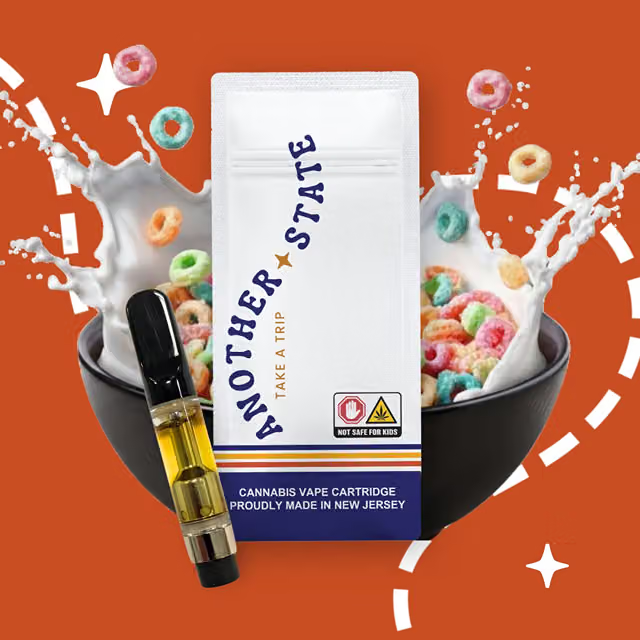
A 510 cartridge is the familiar small tank with a threaded connector at the bottom. It attaches to a compatible battery by twisting into place. “510” describes the connection format, not a particular cannabis oil, strain, or potency.
That distinction matters because the cartridge and the power source are separate purchases unless a retailer offers them together. A person who already owns a suitable 510 battery may be able to use it with different compatible cartridge brands. Someone starting without a battery needs to account for that extra piece of hardware.
For a concrete example, Raw Garden carts are listed as cartridges rather than proprietary pods or complete disposable pens. Their product format is a useful starting point for understanding the replaceable-cartridge category. Always confirm the connection and battery requirements for the particular item being considered.
Are all 510 batteries interchangeable?
Not necessarily. The connector is widely used, but the shape of the cartridge, the battery’s surrounding opening, and the device’s electrical settings can still affect compatibility. A tall or unusually wide cartridge might not fit inside a battery with a narrow protective chamber, even if both use 510 threading.
Some batteries offer adjustable voltage while others have fixed settings. That is a device feature, not a sign that one oil is automatically better. Follow the manufacturer’s instructions rather than assuming the highest setting is appropriate.
How Are Vape Pods Different From 510 Carts?
A vape pod is also a container for cannabis oil, but it typically connects to a dedicated battery instead of using standard 510 threads. The pod may click, slide, or magnetically seat into the device. From the outside, many systems look similar. Their connections are not necessarily interchangeable.
Consider STIIIZY pods. They are made for compatible STIIIZY batteries, not ordinary 510-thread batteries. The pod shape and power system are part of that product family.
The same principle applies to PLUGPLAY pods, which require compatible PLUGPLAY hardware. A STIIIZY battery should not be treated as a substitute for a PLUGPLAY battery, or vice versa, just because both products are called pods.
Why do brands make separate pod systems?
A dedicated connection lets a manufacturer design the pod and battery around each other. That can simplify fitting a replacement pod into a matching device. The drawback is choice: switching to another brand’s pod may also mean switching batteries.
It’s worth checking whether the battery comes in a starter kit or is sold separately. A product titled “pod” usually refers to the replaceable oil unit, not a complete ready-to-use kit.
What Counts as a Disposable Vape?
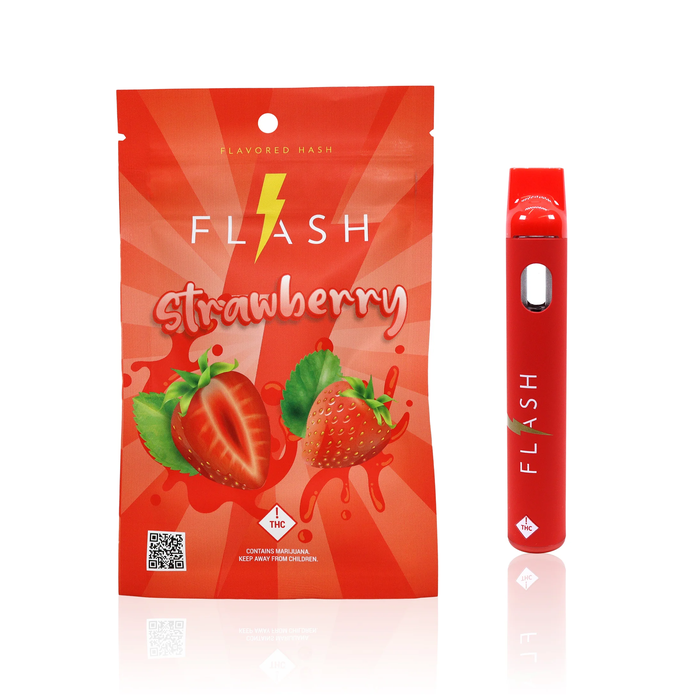
A disposable, sometimes called an all-in-one vape, combines the oil reservoir, heating element and battery in one unit. There is no separate cartridge to thread onto a reusable battery and usually no brand-specific pod to install.
For instance, the DIME Industries disposable pen appears on High Society’s menu as an all-in-one product. It’s an example of the disposable device category, not evidence that every product bearing the same brand name works the same way.
“Disposable” does not necessarily mean “never rechargeable.” Some all-in-one models include a charging port so their built-in battery can function throughout the product’s intended lifespan. That is different from a refillable or replaceable-pod system. Check the exact model instructions rather than making assumptions from the word on the package.
The convenience has a trade-off: once the unit is finished, more electronic hardware becomes waste. Dispose of lithium-battery products through appropriate local collection programs rather than household trash when required.
Which Format Is More Economical Over Time?
Comparing shelf prices alone can be misleading. A cartridge or pod might appear less expensive than an all-in-one device, but the person buying it may also need a separate battery. On the other hand, a reusable battery can serve through multiple replacement oil units if it remains in good condition and compatible products are available.
A better comparison asks four questions:
- What is included? Is the listing for a cartridge, a pod, a starter kit or a complete all-in-one?
- What hardware is already owned? A compatible existing battery changes the upfront cost.
- Will the format remain useful? A brand-specific battery may have fewer compatible product options than a 510 system.
- What is the true product quantity? Compare labeled oil quantities and product specifications rather than packaging size or device appearance.
Without current, directly comparable prices and specifications, there is no reliable universal winner. Frequent replacement of entire devices may increase long-run hardware expense and waste, but buying several incompatible batteries can also become costly.
Oil Type and Hardware Type Are Two Different Decisions
This is where vape terminology gets confusing. “Live resin,” “distillate,” and “liquid diamonds” refer to the cannabis extract or how it is described. “510 cart,” “pod,” and “disposable” refer to the container and device format.
A product can therefore be a live-resin cartridge, a distillate pod or a disposable containing a different concentrate formulation. The hardware alone does not identify what oil is inside, how much THC it contains, or how someone will respond to it.
Read the individual product label for the extract description, THC and other cannabinoid information, ingredients, batch details and any applicable warnings. Do not infer strength or quality from a bigger battery, a heavier pen, or the word “premium.”
Five Compatibility Questions Worth Asking Before Choosing a Vape
- Does this product include a battery? “Cartridge” and “pod” commonly mean the oil unit alone.
- Is it standard 510 or a named pod system? A product photo is not enough to establish the connection.
- What exact battery does the manufacturer specify? Brand names and model generations matter.
- Will the physical shape fit? Protective battery housings can restrict cartridge dimensions.
- Are the instructions and packaging clear? Check charging guidance, warnings and product identification.
If you’re looking at a vape pen for weed, start by identifying which of these three hardware formats the listing actually describes. The category name may group together batteries, cartridges, pods and all-in-one devices even though they require different equipment.
Common Problems That Are Not Always About the Oil
The pod does not fit the battery
First verify the exact device family. Different proprietary systems can look close in size without sharing the same connector. Don’t force a pod into an incompatible device or modify the contacts to make it fit.
The cartridge screws in but the battery does not work
Check the manufacturer’s instructions and whether the battery is charged. A correct thread alone doesn’t prove that the device supports that cartridge. If a connector or battery appears damaged, stop using it rather than trying to repair or alter the electrical components.
The disposable stops functioning
Some all-in-one units are rechargeable and others are not. Check the exact product’s documentation. Do not open or puncture a sealed battery device to reach the oil or wiring.
The same hardware feels different with different products
Oil formulation, cannabinoid content, device operation and individual response can all vary. Hardware format cannot be used to predict an identical experience across products.
Frequently Asked Questions
Can a STIIIZY pod go on a 510 battery?
No. Standard STIIIZY pods use a proprietary connection and require compatible STIIIZY hardware.
Do PLUGPLAY pods work in STIIIZY batteries?
They are different pod systems. Use the matching battery specified for the exact PLUGPLAY or STIIIZY product instead of assuming that similar-looking pods fit both.
Do all 510 cartridges work on any 510 battery?
No. Many use the same threaded connection, but housing dimensions, electrical compatibility and device guidance still matter.
Is a disposable pen the same as a refillable vape?
Usually not. A disposable typically has its oil unit and battery integrated into one device. Some may recharge, but that does not make them refillable.
Does a disposable always cost more?
Not in every transaction. The meaningful comparison includes any separate battery cost, the amount in the package, and how often hardware must be replaced.
Does a pod have stronger THC than a cartridge?
Not inherently. Pod, cartridge and disposable describe hardware formats. THC content depends on the specific labeled product.
The Bottom Line: Match the Battery Before Comparing the Brand
A 510 cartridge makes sense as a general hardware format when someone wants a separate, reusable battery and a wider choice of compatible cartridges. A proprietary pod keeps the oil unit within a specific battery system. A disposable puts the components together, but typically produces more discarded electronics when the unit is finished.
None is automatically the best choice for every adult, and none eliminates the health risks associated with inhaling cannabis aerosols. The clearest way to compare products is to identify the connection first, read the exact label second, and treat oil type and THC concentration as separate questions. For adults aged 21 or older, that understanding is more useful than relying on a brand name or a product photo alone.