 admin
admin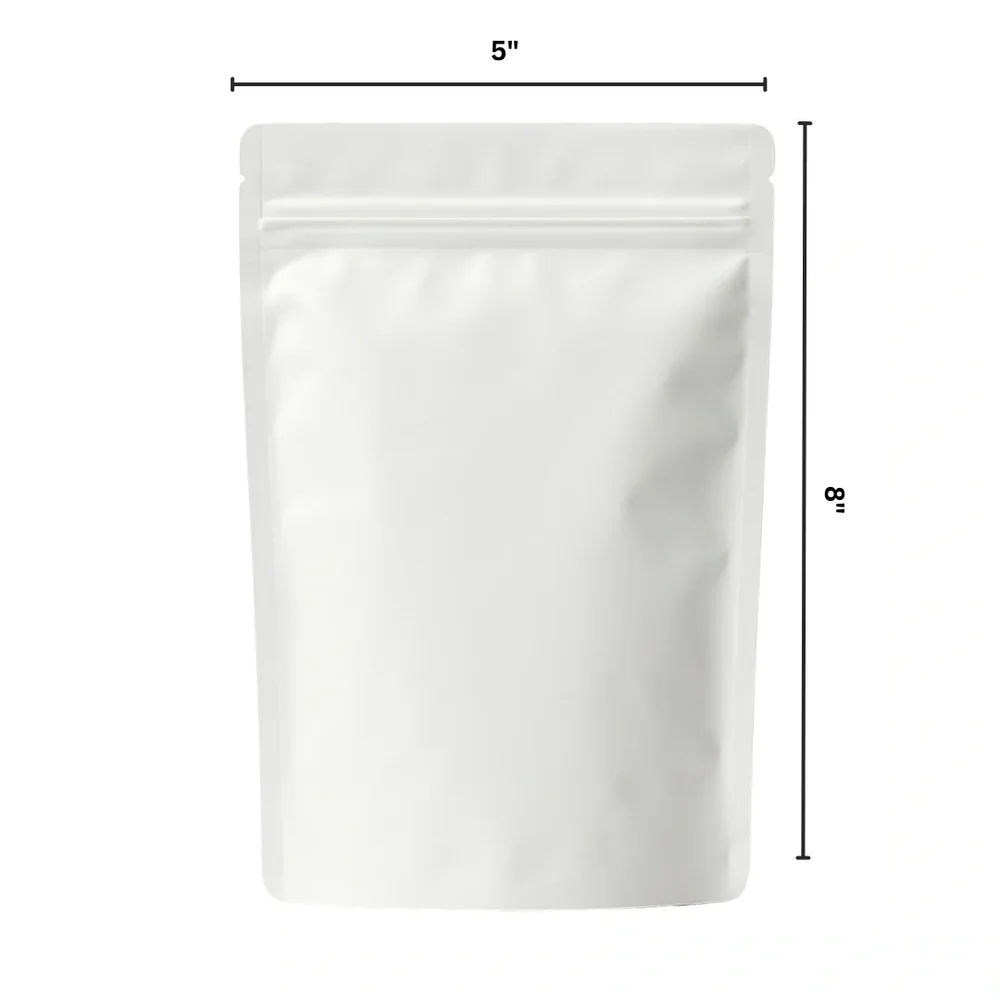
Most people focus on what goes inside Preroll Joints
The flower. The grind. The roll. The filter.
Packaging usually comes later, almost as an afterthought. But once Preroll Joints start moving through storage, transport, displays, and real hands, packaging stops being optional and starts becoming part of the product itself.
Anyone who has handled Preroll Joints at scale learns this quickly. Poor packaging leads to bent rolls, dry material, loss of aroma, or joints that just do not look right when they reach the customer. That does not always show up on day one. It shows up after time, movement, and repeated handling.
PackTHC focuses on packaging that is built specifically for real world use cases around Preroll Joints, not just for initial presentation.
You can view the collection here
Preroll Joints
How Preroll Joints behave in real conditions
In controlled settings, Preroll Joints are easy to manage. Everything looks fine when they are freshly rolled and placed neatly on a tray.
Real conditions are different.
They get stacked. Moved. Opened. Closed. Exposed to air. Exposed to light. Sometimes handled carefully. Sometimes not.
Over time, a few issues tend to appear if packaging is not doing its job:
- The paper dries faster than expected
- Aroma leaks or fades
- The roll bends or cracks
- The joint no longer looks uniform
These are not dramatic failures, but they are noticeable. And customers notice small changes more than most brands expect.
That is where packaging designed for Preroll Joints becomes important, and that is the space PackTHC operates in.
Why Preroll Joints need structured packaging
Unlike loose products, Preroll Joints rely heavily on shape and consistency. Even minor pressure can affect how they burn or how they look.
Packaging needs to do a few things at the same time:
- Protect the shape
- Limit air exposure
- Reduce moisture loss
- Block light
- Contain odor
This is why many brands move toward Mylar based packaging for Preroll Joints. When built correctly, it offers structure without being bulky and protection without overcomplication.
PackTHC designs its packaging with these specific requirements in mind.
What you notice when Preroll Joints are packaged properly
People who work with Preroll Joints daily tend to notice the same improvements when packaging is done right.
The joints come out looking the same way they went in.
They feel consistent when handled.
The aroma stays where it should.
The paper does not feel brittle.
These are small things, but together they affect how the product is perceived. Customers may not describe it technically, but they sense when something feels cared for.
PackTHC packaging is built to support that consistency, not just at first use, but after time has passed.
Practical experience using packaging for Preroll Joints
From practical handling, a few habits make a difference when packaging Preroll Joints.
First, spacing matters. Joints should not be forced into tight containers where pressure builds at the tip or filter.
Second, air control matters. Excess air inside packaging speeds up dryness. Removing unnecessary air before sealing helps maintain balance.
Third, repeat access matters. Packaging for Preroll Joints often gets opened more than once. Zippers and seals need to remain reliable after multiple uses.
PackTHC packaging is designed around these behaviors, not idealized scenarios.
Understanding why material choice matters for Preroll Joints
Material choice is not about trends. It is about performance.
Mylar based packaging works well for Preroll Joints because it acts as a barrier. It slows the exchange of air. It limits moisture movement. It blocks light that can degrade contents over time.
When materials are inconsistent, performance becomes unpredictable. One batch feels fine. The next behaves differently. That creates problems fast, especially for brands that reorder packaging regularly.
PackTHC emphasizes consistency in material quality so that Preroll Joints are stored and presented the same way across orders.
Step by step handling of Preroll Joints in packaging
A simple process goes a long way.
Step one is selecting packaging that gives the joint room to sit naturally without pressure.
Step two is placing the Preroll Joints so that the filter and tip are not stressed.
Step three is removing excess air before sealing.
Step four is storing packaged joints in stable conditions, away from extreme heat or direct light.
PackTHC packaging supports these steps without requiring special tools or complex workflows.
Trust and presentation go hand in hand with Preroll Joints
Packaging communicates care.
Customers may not know the details, but they notice when Preroll Joints arrive straight, intact, and consistent. They also notice when joints look compressed, dry, or uneven.
Over time, these impressions shape trust.
PackTHC approaches packaging as part of the product experience. The goal is not to impress visually for a moment, but to avoid problems that slowly erode confidence.
Consistency across packaging runs is part of that trust.
Being realistic about what packaging does for Preroll Joints
It is important to be clear.
Packaging helps protect Preroll Joints, but it does not replace proper storage practices. It does not correct poor rolling or low quality materials. It simply preserves what is already there.
PackTHC does not make exaggerated claims. Its packaging is designed to do a specific job and do it reliably.
That honesty matters in long term use.
Why brands continue working with PackTHC for Preroll Joints
Many suppliers sell packaging as one of many offerings.
PackTHC focuses on packaging as its core business. That focus shows up in details that matter over time. Material feel. Seal consistency. Predictable sizing.
For brands working with Preroll Joints, reliability becomes more important than novelty. Packaging needs to behave the same way every time.
That is often why brands continue ordering from PackTHC.
You can explore the available options here
Preroll Joints
Cost over time versus upfront savings
Choosing the cheapest packaging usually works until it does not.
When packaging fails, the cost shows up in damaged Preroll Joints, customer complaints, replacements, and wasted product. Those costs add up quietly.
PackTHC packaging is aimed at reducing those issues rather than chasing the lowest possible unit price. Over time, fewer problems often matter more than small upfront savings.
A practical approach to packaging Preroll Joints
There is nothing complicated about why packaging matters for Preroll Joints.
They are sensitive to pressure, air, light, and time. Packaging that accounts for those factors helps preserve quality and presentation.
PackTHC focuses on delivering packaging that supports that reality without hype or unnecessary claims. Just materials and construction chosen for how Preroll Joints are actually handled.
If that approach makes sense for your use case, you can review the collection here
Preroll Joints