 admin
admin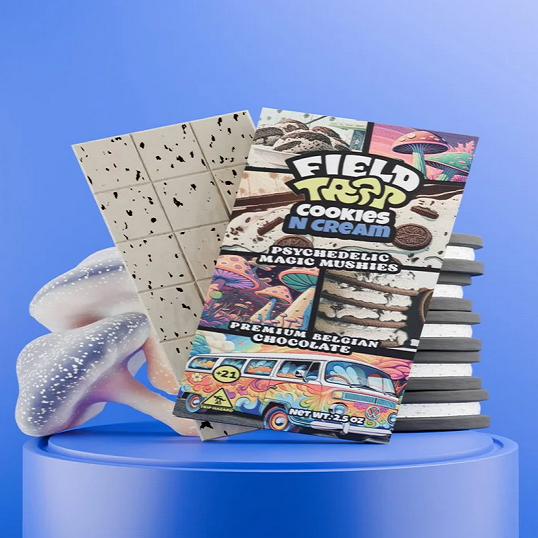
If you have been searching for Mushroom chocolate, you have probably noticed how confusing the category can feel. Some products are simple chocolate treats made with non-intoxicating, “functional” mushrooms. Others use vague language that hints at mind-altering effects without clearly explaining ingredients, legality, or safety.
This guide helps you sort it out in plain English—what it is, what to look for, what to avoid, and how to shop responsibly.
What Mushroom chocolate usually means
1) Functional Mushroom chocolate (non-intoxicating)
This is chocolate blended with culinary/functional mushrooms like lion’s mane, reishi, cordyceps, or chaga. People buy it as an everyday treat that fits a routine—something they can actually eat like normal chocolate.
2) “Experience” products marketed like shroom bars
Some products in the Mushroom chocolate space use language that implies a “trip” or a field trip. These are the listings where the label can be unclear, the contents can be inconsistent, and the legal risk is real depending on where you live. Even when a product claims it is “safe,” vague packaging is not the same as transparency.
A simple rule: if you want something legal and predictable, choose clearly labeled functional products and avoid anything that suggests psychedelic effects or “sessions.”
Why people buy functional Mushroom chocolate
Most buyers are not expecting miracles. They usually want one or more of these:
- A chocolate bar that feels “intentional,” not just candy
- A non-intoxicating product that fits daytime or evening routines
- A smoother way to try functional mushrooms (taste matters)
- A premium chocolate experience where the mushroom taste stays mild
Functional Mushroom chocolate should still feel like chocolate first. If it tastes aggressively earthy or bitter, that is often a formulation problem, not a “stronger is better” sign.
What it should taste like
A good Mushroom chocolate bar typically has:
- Normal chocolate sweetness (unless it is high-cacao dark)
- A mild roasted/earthy finish (more noticeable in dark chocolate)
- A smooth melt if the chocolate base is high quality
Taste depends on three things:
- The chocolate base (quality, cocoa percentage, fat content)
- The mushroom ingredient type (powder vs extract, species used)
- The flavor system (vanilla, nuts, mint, fruit, spices)
If you care about taste, start with the chocolate, not the mushroom claim.
Does belgian chocolate matter?
People search for belgian chocolate because it often signals a smoother texture, cleaner melt, and a richer cocoa profile. That can help balance the mild earthiness of mushrooms.
But belgian chocolate is not a guarantee on its own. Still check:
- Cocoa percentage (especially for dark chocolate)
- Sweetener type (sugar, coconut sugar, sugar alcohols)
- Add-ins (nuts, cookie pieces, fruit flavors)
- Allergens (milk, soy, nuts, gluten processing)
Think of belgian chocolate as a “good sign” you still verify—like seeing a nice restaurant menu. It helps, but it is not the whole story.
Formats you will see
Bars
The most common format. Bars are easy to dose as “one square at a time” for taste consistency, but functional bars should still clearly state what is inside each serving.
Best for: everyday treat, simple storage, familiar experience.
Bites or mini squares
Same idea as bars, but pre-portioned. These can be convenient if you want consistent serving sizes without breaking a bar.
Best for: portion control, on-the-go snacking.
Hot chocolate / drink mixes
Often overlooked, but popular for routine use. Drink mixes can hide earthy notes well and fit a “nighttime cocoa” habit.
Best for: people who prefer sipping over snacking.
“Mushroom-shaped chocolate”
Some chocolates are shaped like mushrooms but contain no mushroom ingredients at all. That is fine—just do not confuse novelty shapes with functional formulas.
How to choose Mushroom chocolate
1) Ingredient clarity
A trustworthy functional product tells you:
- Which mushroom species are used (not just “mushroom blend”)
- Whether it uses powder or extract
- The amount per serving, or at least enough detail to judge the formula
If you cannot tell what is in it, skip it. Vague labels are the main reason people end up disappointed.
2) Powder vs extract
- Powder often means whole mushroom material ground down. This can be fine, but the taste can be more earthy.
- Extract often means the formula is more standardized and can be easier to dose consistently. It can also reduce how “mushroomy” the chocolate tastes.
Either can be good. The key is that the product clearly states which one it uses.
3) Fruiting body vs mycelium
Some brands specify “fruiting body” (the part that looks like a mushroom) versus “mycelium” (root-like growth). This matters because different parts can have different compositions.
You do not need to be an expert. Just know that brands that specify their source are usually being more transparent than brands that avoid details.
4) Third-party testing and batch info
For edible products, basic trust markers include:
- Batch/lot information
- Clear “best by” or storage guidance
- Quality testing language that is specific (not just “premium”)
You do not need a wall of technical claims—just a sign the brand is operating like a real food business, not a mystery product.
5) Match the chocolate to your real life
Ask yourself:
- Do I want dark or milk chocolate?
- Do I want a low-sugar option, or do I prefer classic sweetness?
- Any allergens I must avoid?
- Do I want a clean bar, or a flavored bar with add-ins?
The “best” Mushroom chocolate is the one you will actually enjoy eating consistently.
Shopping responsibly
If a listing leans hard into “trip,” “session,” “micro,” or field trip wording, and the ingredients are unclear, treat it as a stop sign.
Even when sellers sound confident, unclear products create three real problems:
- Legal risk (varies widely by location)
- Safety risk (unknown or inconsistent contents)
- Buyer disappointment (nothing matches expectations)
If your goal is functional, non-intoxicating Mushroom chocolate, choose products that plainly say what they are—and avoid anything that tries to be mysterious.
Common mistakes buyers make (and how to avoid them)
Mistake 1: Buying for the vibe, not the label
Trendy wording and flashy packaging do not replace clear ingredients. Read the panel first.
Mistake 2: Assuming “stronger” means “better”
With functional products, “strong” is not the point. Taste, consistency, and transparency are what make it worth buying.
Mistake 3: Ignoring allergens and sweeteners
Chocolate often includes milk, soy lecithin, or shared equipment warnings. Sugar alcohols can also upset some people’s stomachs. If you are sensitive, check before you buy.
Mistake 4: Not thinking about heat and shipping
Chocolate melts. If you live in a warm area, storage and shipping handling matter. Great ingredients will not help if the product arrives as a puddle.
Mistake 5: Expecting medical outcomes
Functional mushrooms are popular, but Mushroom chocolate is not a medical product. Keep expectations realistic and focus on quality, taste, and routine fit.
Quick buyer checklist for Mushroom chocolate
Use this when comparing options:
- Mushroom species are clearly listed
- Powder vs extract is stated
- Amount per serving is provided (or at least clearly explained)
- Chocolate type matches your preference (dark/milk, sweetness level)
- Allergens and sweeteners are easy to find
- Batch/lot or basic quality control details are present
- Storage guidance is provided
- No vague “trip/session/field trip” marketing if you want functional only
If you cannot check most of these boxes, keep shopping.
Optional: a simple, legal DIY functional Mushroom chocolate at home
If you want a straightforward functional version and you already have a culinary mushroom powder you trust, this is the simplest approach:
You need
- Chocolate chips or a bar you like (dark or milk)
- 1–2 teaspoons culinary mushroom powder (start low)
- Optional: pinch of salt, vanilla, cinnamon, or crushed nuts
- Silicone mold or parchment paper
How to make it
- Melt chocolate gently (double boiler or short microwave bursts).
- Remove from heat and stir in the mushroom powder thoroughly.
- Add optional flavors if you like.
- Pour into a mold (or spread on parchment).
- Chill until set, then store cool and dry.
Keep it simple. The goal is a bar you enjoy eating—not a bitter experiment.
FAQ
Is Mushroom chocolate supposed to get you high?
Functional Mushroom chocolate is not meant to be intoxicating. If a product hints at mind-altering effects or shroom bars language, that is a different category with higher risk and often legal issues depending on where you live.
Why do some bars barely mention what is inside?
Because vague labels sell to curiosity. For buyers, clarity is better. Choose products that name the mushrooms and explain the formula.
What is the best format: bar, bites, or drink mix?
Bars are the most familiar. Bites are easiest for portioning. Drink mixes are great if you prefer sipping and want less “earthy” taste. There is no universal best—choose what fits your routine.
Does belgian chocolate always mean higher quality?
Not always, but it can be a positive sign. Still verify ingredients, allergens, and transparency.
What should I do if a product uses “trip” or field trip language?
If you want functional, non-intoxicating Mushroom chocolate, skip it and choose a clearly labeled functional product. If you are unsure about legality or safety, do not guess.
The simplest way to shop smarter
The best way to win with Mushroom chocolate is to stop chasing mystery and start choosing clarity. Look for honest labeling, sensible formulation, and chocolate quality you actually enjoy. When a product respects the buyer with clear ingredients and basic quality signals, it is usually a better experience—because you know what you are buying and why