 admin
admin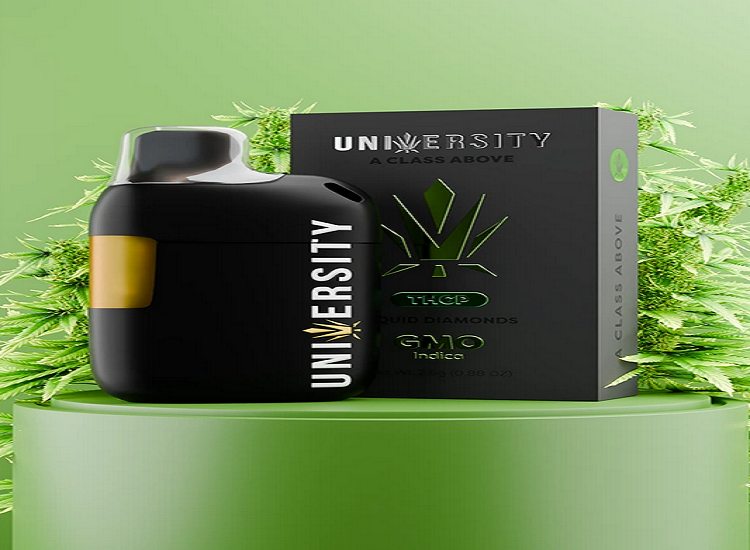
THCP stands for tetrahydrocannabiphorol. It is a cannabinoid identified in cannabis in 2019, and the early research that put it on the map found that it showed very strong binding activity at the CB1 receptor in vitro. That is a big part of why THCP is often described as feeling stronger than ordinary THC products, though human research is still limited and the full real-world picture is not settled yet. So when people ask how a THCP vape works, the first part of the answer is simple: it works through a cannabinoid that appears to interact with the body’s cannabinoid system very strongly, at least based on the early lab data we have so far.
What Is Inside a THCP Vape
Most people think the whole experience is about the cannabinoid, but the device matters too. A THC P Vape is usually made up of a battery, a heating element, and a chamber or cartridge filled with vape oil or distillate. That oil can include THCP, other hemp-derived cannabinoids, and terpene blends that shape flavor and strain character. Trap University’s general vape its vapes use premium ceramic coil technology, include pure hemp-derived cannabinoids, and avoid cutting agents or additives, which is the kind of build that matters if you care about smoothness and consistency. In other words, the “how it works” part is not only chemistry. It is also hardware plus oil quality.
How the Device Creates the Inhalable Mist
When you activate a THCP vape, the battery sends power to the heating element. That coil heats the liquid in the chamber and turns it into an aerosol that you inhale. Reviews of vaping devices describe this basic process the same way: heating the liquid generates an inhalable aerosol rather than burning plant material through full combustion. That difference matters because vaping is not the same thing as smoking flower. There is no lit cherry and no rolling paper involved. The device is designed to heat a cannabinoid-rich oil into a cloud you can inhale directly. That is the mechanical side of how a THCP vape works. It is a small electronic heating system made for controlled inhalation.
What Happens After You Inhale
Once the aerosol is inhaled, the cannabinoids move into the lungs and from there enter the bloodstream quickly. That is one reason vape products tend to feel faster than edibles. You are not waiting for digestion. You are inhaling the active compounds directly, which is why the experience can come on quickly and why small puffs matter. When the THCP reaches the bloodstream, it can interact with the body’s endocannabinoid system, especially CB1 receptors. That is the biological side of how a THCP vape works: the device gets the compound into an inhalable form, and your body handles the rest through receptor interaction.
Why THCP May Feel Different From Other Vapes
This is where people usually get curious. A THC P Vape may feel different from a standard THC or hemp vape because THCP appears to bind more strongly to cannabinoid receptors than delta-9 THC in early lab research. That does not mean every person will react the same way, and it definitely does not mean stronger always equals better. It just means the molecule itself may help explain why many shoppers look at THCP as a more intense category. Human research is still thin, and more recent reviews still describe these newer THC-like cannabinoids as an emerging market. So the better way to think about it is this: THCP may hit differently because of its receptor behavior, but the exact experience still depends on product formulation, your own tolerance, and how much you use.
Why Flavor and Strain Profile Matter Too
People sometimes talk about potency as if it is the only thing happening in a vape, but that is not really true. Terpenes and strain-style profiles shape the feel of the session too. Trap University’s THCP category and product pages lean into flavor and strain identity, which is important because a THCP vape is not just raw cannabinoid effect in a vacuum. The flavor profile, the smoothness of the pull, and the strain style all influence how the session feels. A sweeter profile may feel more relaxed and easygoing to one person, while a gassy or earthy profile may feel fuller or heavier. That does not change the cannabinoid science underneath, but it does change the overall experience of the vape once it is in your hand.
Why Pacing Changes the Whole Experience
One reason people sometimes have a rough first session is that they misunderstand how quickly inhaled cannabinoids can build. A THC P Vape can feel deceptively easy because there is no big setup and no harsh smoke cloud telling you to slow down. You can just keep puffing. That is exactly why the best advice is to start with one small pull and wait. Trap University’s vape guidance recommends starting low, and that makes sense here because stronger THC-like cannabinoids deserve a slower approach. The vape works best when you let it work gradually instead of stacking hit after hit too fast.
What Makes One THCP Vape Work Better Than Another
Not all vapes perform the same, even if the label looks similar. The quality of the hardware, the cleanliness of the oil, and the presence or absence of thinning agents all affect how a THCP vape works in practice. A ceramic coil help with vapor production and flavor preservation. Clean formulations without cutting agents can also matter, especially in a category where poor-quality products have raised health concerns in the broader vaping literature. That means a better vape is not only about a bigger number on the package. It is also about whether the oil is formulated well, the device heats evenly, and the brand is transparent enough to inspire trust. A smooth, consistent inhale usually starts with those details long before the first puff.
How Trap University’s THCP Vape Category Fits In
If you connect all of this back to Trap University’s THC P Vape page, the category makes more sense. The appeal is not only that these are strong vapes. It is that they are premium, flavor-forward, hemp-derived products built for convenient use. Trap University also says its vape line includes rechargeable and disposable options, third-party lab testing for batches, and formulas without cutting agents, which are exactly the kinds of details buyers should care about when they want a THCP vape that works consistently. So in practical terms, a THCP vape works by heating cannabinoid oil into an inhalable aerosol, delivering THCP through the lungs, and letting that compound interact quickly with the body’s cannabinoid receptors. The rest of the experience comes down to product quality, user pace, and choosing a device that is built well enough to do its job right.